Product Design, Manufacturing & Innovation Resources

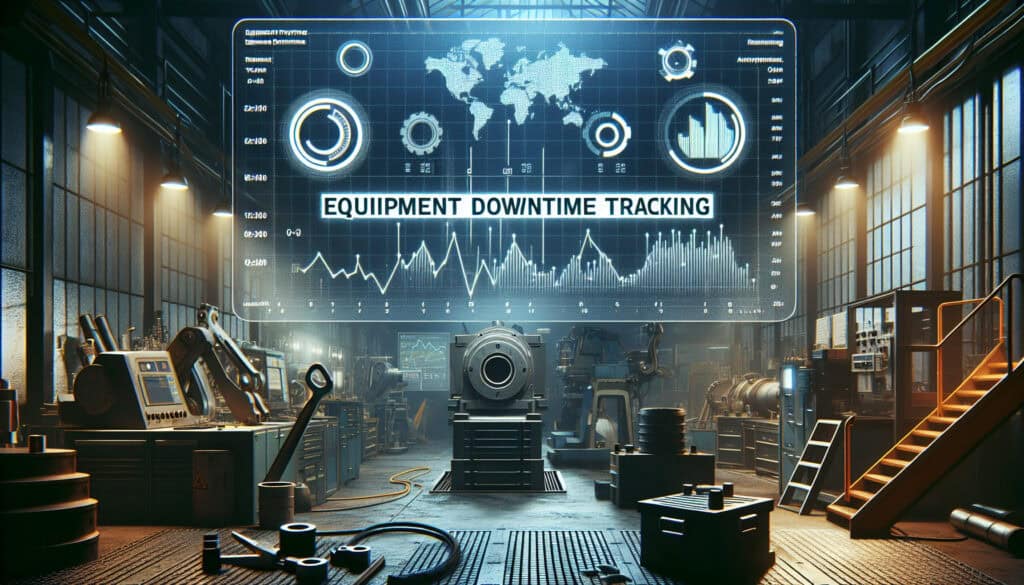
تتبع وقت تعطل المعدات

تتبع وقت تعطل المعدات

تتبع وقت تعطل المعدات

الهدف:

مراقبة وتحليل الفترات التي لا تكون فيها الآلات أو المعدات قيد التشغيل.

كيفية استخدامه:

الايجابيات

سلبيات

الفئات:

الأفضل لـ:

Equipment Downtime Tracking is particularly effective within industries like manufacturing, aerospace, and energy, where operational efficiency directly impacts economic viability and competitiveness. This methodology can be applied during various project phases, including initial equipment installation, routine maintenance schedules, and continuous improvement initiatives aimed at enhancing operational performance. Key participants in this tracking process typically include production managers, maintenance teams, and data analysts who collaborate to compile and scrutinize downtime data. Real-time data capture tools such as IoT sensors and software applications can assist in documenting machine status, which facilitates precise analysis of downtime events. Industries leveraging this approach often utilize findings to drive initiatives such as predictive maintenance, which anticipates failure before it occurs, thus reducing unplanned downtime. An example can be seen in automotive assembly lines, where meticulously tracking downtime events has led to process refinements, allowing manufacturers to pivot quickly in response to emerging equipment issues and thereby optimize productivity. Furthermore, organizations that practice this methodology can identify recurring problem areas, leading to targeted investment in high-impact improvement initiatives, resulting in maximized equipment availability and reduced operational costs, ultimately enhancing their ability to meet customer demand more effectively.

الخطوات الرئيسية لهذه المنهجية

  1. سجل أوقات بدء وانتهاء كل حدث توقف عن العمل.
  2. قم بتوثيق أسباب توقف كل جهاز.
  3. صنّف أحداث التوقف عن العمل إلى فئات لتحليلها.
  4. قم بتحليل البيانات لتحديد الاتجاهات والأنماط في أسباب توقف الخدمة.
  5. استخدم تقنيات تحليل الأسباب الجذرية للتحقيق في المشكلات الرئيسية.
  6. تطوير وتنفيذ الإجراءات التصحيحية بناءً على نتائج التحليل.
  7. مراقبة أداء المعدات بعد تنفيذ الإجراءات التصحيحية.
  8. مراجعة جداول الصيانة وتعديلها حسب الحاجة بناءً على النتائج.

نصائح للمحترفين

  • قم بتطبيق نظام مراقبة قائم على الحالة لربط أحداث التوقف عن العمل بمقاييس أداء المعدات.
  • استخدم أدوات تحليل البيانات المتقدمة لتصور اتجاهات وقت التوقف عن العمل وتحديد أولويات تحقيقات الأسباب الجذرية بناءً على التكرار والتأثير.
  • إنشاء فرق متعددة الوظائف لعقد جلسات مراجعة منتظمة تركز على مبادرات التحسين المستمر المستمدة من بيانات وقت التوقف.

لقراءة عدة منهجيات ومقارنتها, نوصي باستخدام

> مستودع المنهجيات الشامل  <
مع أكثر من 400 منهجية أخرى.

نرحب بتعليقاتكم على هذه المنهجية أو المعلومات الإضافية على قسم التعليقات أدناه ↓، وكذلك أي أفكار أو روابط متعلقة بالهندسة.

السياق التاريخي

1974
1974
1978
1980
1980
1980
1980
1972
1974
1975-06-01
1980
1980
1980
1980
1980

(إذا كان التاريخ غير معروف أو غير ذي صلة، على سبيل المثال "ميكانيكا الموائع"، يتم توفير تقدير تقريبي لظهوره الملحوظ)

منشورات ذات صلة

الصور بالحجم الكامل والتنزيلات متاحة فقط 100% مجاناً للأعضاء المسجلين.