التحسين المستمر, تجربة العملاء, تخطيط رحلة العميل, دعم العملاء, تجربة العملاء, التفكير التصميمي, تخطيط العمليات, تجربة المستخدم (UX), التصميم المتمحور حول المستخدم
الهدف:
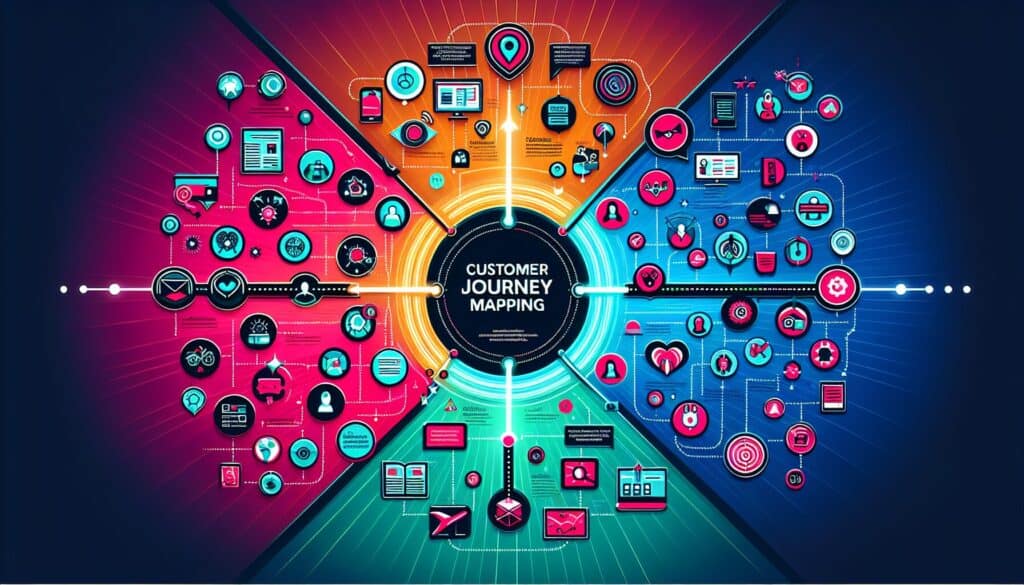
تصور لـ من النهاية إلى النهاية تجربة العميل مع مؤسسة أو منتج، عبر جميع نقاط الاتصال والقنوات، من وجهة نظره.
كيفية استخدامه:
يتضمن ذلك البحث وتحديد المراحل المختلفة التي يمر بها العميل (مثل الوعي، والنظر، والشراء، وما بعد الشراء)، وسلوكياته، وأفكاره، ومشاعره، ونقاط ضعفه، وفرص التحسين في كل مرحلة. وغالبًا ما يتم عرض ذلك على شكل خريطة بصرية.
الايجابيات
يوفر فهمًا شاملاً لتجربة العميل؛ ويساعد في تحديد نقاط الضعف ولحظات الحقيقة؛ ويعزز التعاطف مع العملاء في جميع أنحاء المؤسسة؛ ويسلط الضوء على فرص تحسين رضا العملاء وولائهم.
سلبيات
قد يستغرق البحث والإنشاء وقتاً طويلاً؛ وقد يؤدي إلى تبسيط الرحلات المعقدة أو شرائح العملاء المتنوعة بشكل مفرط إذا لم يتم تنفيذه بشكل جيد؛ ويتطلب تعاوناً متعدد الوظائف من أجل الدقة والموافقة؛ ويحتاج إلى التحديث مع تطور سلوكيات العملاء ونقاط الاتصال.
الفئات:
العملاء والتسويق, التفكير, تصميم المنتج
الأفضل لـ:
فهم وتحسين تجربة العميل الشاملة من خلال تصور وتحليل جميع التفاعلات التي يجريها العميل مع شركة أو منتج.
Customer Journey Mapping serves a variety of applications across numerous sectors, including e-commerce, healthcare, and technology, playing a significant role in both product development and service design phases. Typically initiated by product managers or user experience designers, this methodology involves collaboration with cross-functional teams, including marketing, customer service, and R&D, to gather comprehensive data on customer interactions. In an e-commerce context, for instance, mapping can reveal obstacles customers encounter during the checkout process, leading to the design of more efficient payment options or clearer communication regarding shipping – both of which can enhance the purchasing experience. In healthcare, understanding the emotional and psychological states of patients can drive improvements in service delivery and communication strategies. Executed effectively, this mapping process not only visualizes customer touchpoints but also serves as a framework for iterative design sessions, allowing teams to prioritize enhancements based on identified pain points. Companies can leverage insights from this analysis to refine their value propositions, foster customer loyalty through improved satisfaction, and ultimately drive business growth through deeper engagements with their clientele. This methodology also reinforces an empathetic corporate culture, as stakeholders across the organization become more attuned to customer needs and behaviors, leading to a more cohesive strategy that aligns all departments toward enriching user experiences.
الخطوات الرئيسية لهذه المنهجية
حدد شخصيات العملاء المحددة.
حدد ووضح المراحل المتميزة لتجربة العميل.
حدد إجراءات العميل ضمن كل مرحلة.
قم بتوثيق أفكار ومشاعر العملاء في كل مرحلة.
تحديد نقاط ضعف العملاء ومواطن الاحتكاك.
سلّط الضوء على التفاعلات الرئيسية ولحظات الحقيقة.
تحديد فرص التحسين في دورة حياة العميل.
قم بتصور البيانات بتنسيق متماسك لتحليلها.
جمع آراء أصحاب المصلحة حول الخريطة.
قم بتعديل الخريطة بناءً على الملاحظات والرؤى الجديدة.
نصائح للمحترفين
استخدم تحليلات البيانات وتعليقات العملاء لتحديد الاتجاهات والارتباطات عبر نقاط الاتصال المختلفة، مما يضمن أن الخريطة تعكس السلوكيات القائمة على أنماط الاستخدام الفعلية.
إشراك فرق متعددة الوظائف طوال عملية رسم الخرائط لجمع وجهات نظر متنوعة، مما يعزز فهمًا موحدًا لتجارب العملاء ونقاط الضعف.
قم بمراجعة الخريطة وتحديثها بانتظام بناءً على البيانات الجديدة واحتياجات العملاء المتطورة، مع ضمان ملاءمتها والحفاظ على توافقها مع أهداف المنظمة.