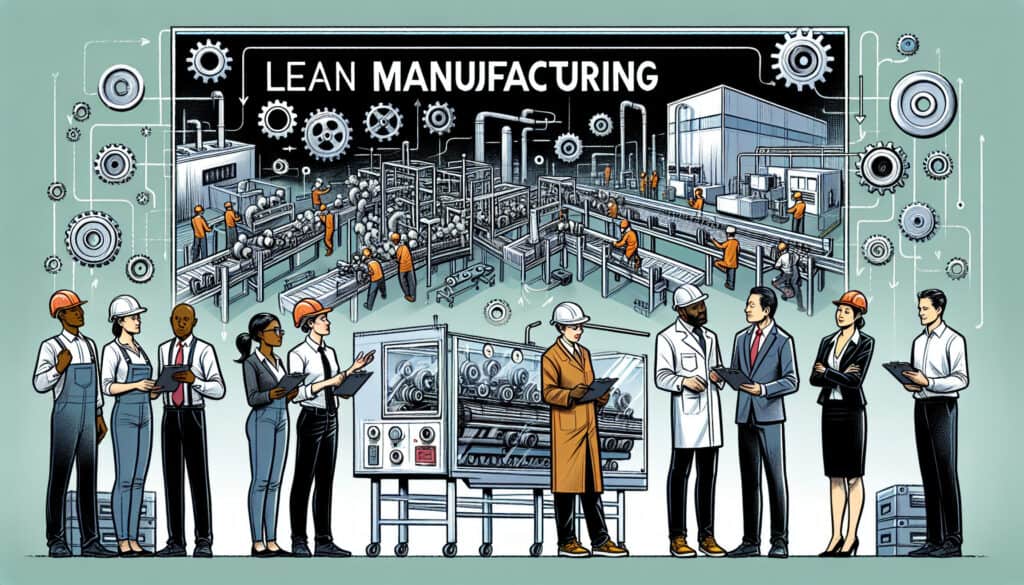
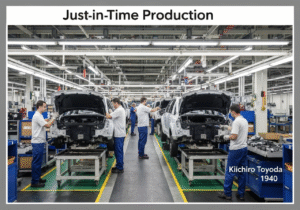
Lean Manufacturing finds broad application across various sectors, particularly in automotive, aerospace, consumer goods, electronics, and healthcare, where efficiency is paramount. In the automotive industry, for example, Toyota pioneered this methodology, which has been adopted globally to enhance productivity while simultaneously reducing costs. The approach is particularly effective during the design and development phases of a product, encouraging cross-functional teams to collaborate in identifying and eliminating non-value-added activities early in the process. Participants in this methodology typically include engineers, designers, production staff, and management, creating a culture of continuous improvement where every member is empowered to suggest enhancements. The Just-In-Time (JIT) production component of Lean Manufacturing minimizes inventory levels, ensuring that materials arrive precisely when needed, thus reducing carrying costs and increasing response times. Techniques such as Value Stream Mapping are utilized to visualize processes and identify waste, making it easier for teams to understand where improvements can be made. Organizations implementing Lean often observe significant gains in quality and customer satisfaction, as the focus on value ensures that products meet or exceed customer expectations, while decreased waste leads to more sustainable practices and optimization of resource use. By prioritizing respect for individuals, Lean also cultivates a work environment conducive to innovation, with employees encouraged to take ownership and responsibility for their contributions.
الخطوات الرئيسية لهذه المنهجية
نصائح للمحترفين
لقراءة عدة منهجيات ومقارنتها, نوصي باستخدام
> مستودع المنهجيات الشامل <
مع أكثر من 400 منهجية أخرى.
نرحب بتعليقاتكم على هذه المنهجية أو المعلومات الإضافية على قسم التعليقات أدناه ↓، وكذلك أي أفكار أو روابط متعلقة بالهندسة.