애자일 방법론, 변화 관리, 지속적인 개선, 카이젠, 린 제조, 계획-실행-점검-조정(PDCA), 문제 해결 기법, 프로세스 개선, 품질 관리
목적:
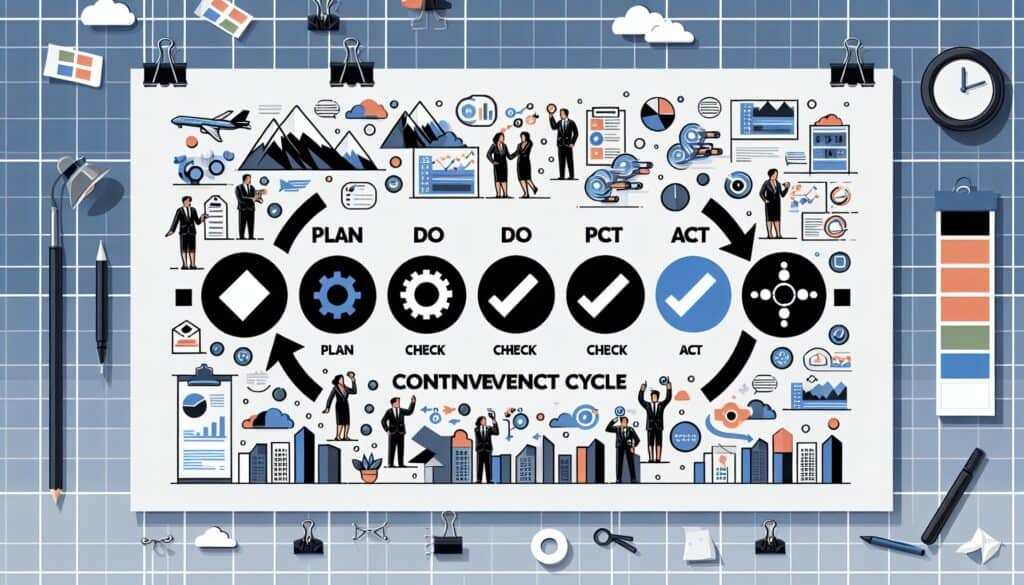
PDCA “을 의미합니다.계획-실행-점검-조치: 4단계 반복적 접근 방식을 기반으로 프로세스와 제품에 대한 지속적인 개선 사이클을 구현합니다.
사용 방법:
계획: 기회를 파악하고 변화를 계획합니다. 실행: 소규모로 변화를 실행합니다. 점검: 변화의 결과를 관찰하고 분석합니다. 조치: 성공적이면 더 넓은 범위로 확대 적용하고 표준화합니다. 실패하면 계획을 수정하고 이 과정을 반복합니다.
장점
지속적 개선을 위한 간단하면서도 강력한 프레임워크; 체계적인 문제 해결을 장려; 다양한 프로세스와 산업에 적용 가능; 학습과 적응 문화를 촉진.
단점
주기가 너무 길거나 변경 사항이 너무 작으면 속도가 느릴 수 있습니다. 규율과 일관된 적용이 필요합니다. 즉각적인 개편이 필요한 급진적이고 대규모의 변화에는 적합하지 않을 수 있습니다.
카테고리:
린 시그마, 조작, 문제 해결, 프로젝트 관리, 품질
다음과 같은 경우에 가장 적합합니다:
지속적인 개선을 실행하고, 문제를 체계적으로 해결하며, 프로세스 또는 제품의 변화를 관리합니다.
The PDCA methodology, often referred to as the Deming Cycle, serves as a robust framework for driving continuous improvement across various sectors, including manufacturing, healthcare, software development, and education. During the planning phase, teams can utilize tools such as SWOT analysis or fishbone diagrams to identify opportunities for enhancements or problem resolution. This is typically initiated by project managers or product designers who engage stakeholders, including cross-functional teams and end-users, in brainstorming sessions to gather diverse perspectives. In the do phase, a pilot project can be implemented, such as a prototype in product development or a trial run of new processes in a manufacturing plant. The subsequent check phase involves gathering and analyzing quantitative and qualitative data, often employing statistical process control charts or feedback surveys, to assess the effectiveness of the implemented change. Following this, in the act phase, organizations can standardize successful changes using revised standard operating procedures or training sessions while refining less successful initiatives based on the gathered data. The adaptability of PDCA makes it applicable in agile environments where iterative testing and learning are paramount, encouraging a culture that values experimentation and ongoing optimization. This methodology not only enhances efficiencies and product quality but also boosts employee engagement, as team members are often involved in identifying and implementing improvements, creating a shared sense of ownership and responsibility for results.
이 방법론의 주요 단계
개선할 수 있는 구체적인 기회를 파악하고 명확한 목표를 설정하십시오.
실행을 위한 단계, 자원 및 일정을 구체적으로 명시한 상세한 실행 계획을 수립하십시오.
위험을 최소화하기 위해 계획된 변경 사항을 제한된 규모로 구현하십시오.
구현 과정을 모니터링하고 성과 관련 데이터를 수집합니다.
데이터를 활용하여 결과를 분석하고 변화의 효과성을 판단하십시오.
긍정적인 결과가 관찰되면 보다 광범위한 시행 및 표준화를 준비하십시오.
결과가 부정적이면 초기 계획을 수정하고 필요에 따라 이 과정을 반복하십시오.
프로 팁
점검 단계에서는 정량적 지표를 활용하여 변화의 효과성에 대한 객관적인 결론을 도출하십시오.
계획 단계에서 다양한 관점과 전문성을 의사 결정 과정에 반영하기 위해 여러 부서의 팀을 참여시키십시오.
ACT의 각 단계가 끝난 후 얻은 교훈과 모범 사례를 문서화하여 향후 참조 및 지식 전달을 위한 저장소를 구축하십시오.