Product Design, Manufacturing & Innovation Resources

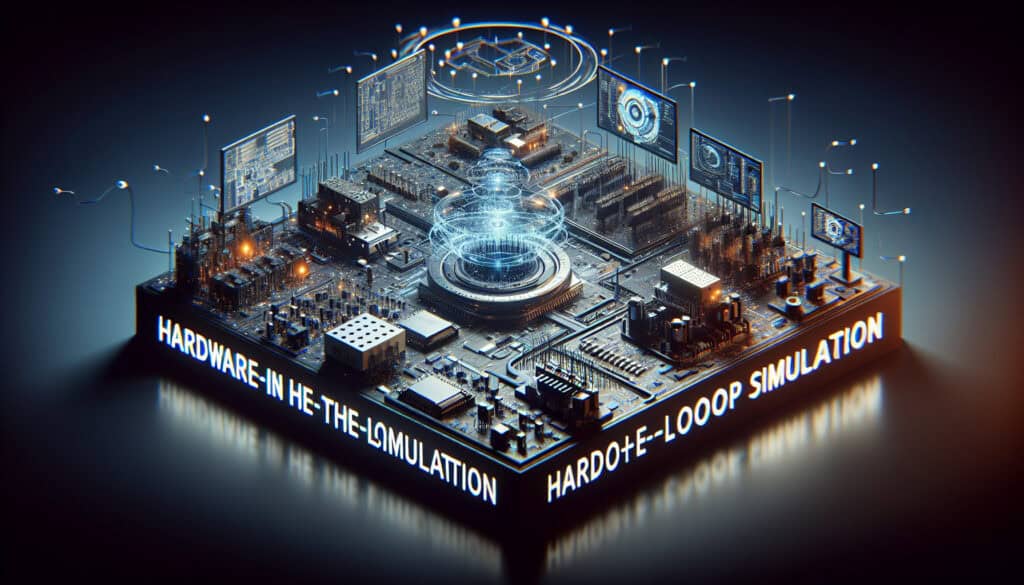
하드웨어 인 더 루프 시뮬레이션

하드웨어 인 더 루프 시뮬레이션

하드웨어 인 더 루프 시뮬레이션

목적:

가상 환경에서 임베디드 시스템을 테스트하고 검증하기 위해.

사용 방법:

장점

단점

카테고리:

다음과 같은 경우에 가장 적합합니다:

Hardware-in-the-Loop (HIL) Simulation finds extensive use across industries such as automotive, aerospace, robotics, and automation, where the interaction between hardware and complex control algorithms must be validated before physical prototypes exist. For instance, in the automotive sector, engineers can utilize HIL to simulate the interaction of a vehicle’s braking system with real sensors and actuators, enabling rigorous testing of control software under various driving conditions. In aerospace, this methodology allows for the evaluation of flight control systems by interfacing with actual actuators and sensors employed in modern aircraft to ensure that safety protocols can be adhered to before real-world testing. HIL Simulation is often initiated during the development phase when control algorithms are being designed, allowing teams composed of software developers, systems engineers, and hardware engineers to collaborate closely, thereby enhancing communication and integration efforts. This rigorous testing environment mitigates risks associated with traditional testing methods, including potential damage to high-value hardware and the significant costs associated with physical prototypes, as it allows for adjustments and iterations to be made in software without risking any actual devices. Furthermore, with the growing complexity of systems requiring real-time response, countless industries now rely on HIL Simulation not only as a testing measure but also as part of their continuous development cycle, where feedback loops and performance metrics can be integrated into the design phase, ensuring that reliability and efficiency are maintained throughout the engineering process.

이 방법론의 주요 단계

  1. 시스템 요구사항 및 사양을 정의합니다.
  2. 시스템에 사용할 하드웨어 구성 요소를 선택하고 구성하십시오.
  3. 시뮬레이션 소프트웨어를 사용하여 시스템의 가상 모델을 개발하십시오.
  4. 실제 하드웨어 구성 요소를 가상 시뮬레이션 환경과 통합합니다.
  5. 시뮬레이션 프레임워크 내에서 제어 알고리즘 및 전략을 구현합니다.
  6. 다양한 시나리오를 사용하여 시뮬레이션을 실행하고 시스템 성능을 평가합니다.
  7. 제어 시스템의 동작과 피드백에 초점을 맞춰 결과를 분석하십시오.
  8. 필요에 따라 알고리즘과 하드웨어 구성을 수정하여 설계를 반복적으로 개선하십시오.
  9. 하드웨어와 소프트웨어 간의 통신을 테스트하여 통합을 검증하십시오.
  10. 종합적인 테스트 케이스를 통해 시스템 검증을 완료합니다.

프로 팁

  • 시뮬레이션에 고급 오류 탐지 알고리즘을 통합하여 다양한 시나리오에서 발생할 수 있는 잠재적 문제를 식별하고 신뢰성 분석을 개선합니다.
  • 시뮬레이션 설정에서 모듈형 하드웨어 통합을 활용하여 구성 요소를 쉽게 교체하고 테스트함으로써 프로토타입 제작 주기를 단축하십시오.
  • Establish a feedback loop between simulation results and hardware modifications, ensuring that learnings from simulated tests directly influence iterative design improvements.

여러 방법론을 읽고 비교하기 위해, 저희는 다음을 추천합니다

> 광범위한 방법론 저장소  <
400가지가 넘는 다른 방법론들과 함께.

이 방법론에 대한 의견이나 추가 정보는 언제든지 환영합니다. 아래 댓글란 ↓ , 엔지니어링 관련 아이디어나 링크도 마찬가지입니다.

역사적 맥락

1950
1955
1956
1960
1960
1960
1960
1950
1950
1955
1958
1960
1960
1960
1960

(날짜를 알 수 없거나 관련이 없는 경우, 예를 들어 "유체역학"의 경우, 주목할 만한 등장 시기를 대략적으로 추정하여 제공합니다.)

관련 게시물

고화질 이미지 및 다운로드는 등록된 회원에게만 100% 무료로 제공됩니다.

> 로그인 <