애자일 방법론, 지속적인 개선, 품질 보증, 품질 관리, 소프트웨어 테스트, 사용자 테스트, 확인, Verification
목적:
애플리케이션의 전체 흐름을 처음부터 끝까지 테스트하기 위해서입니다.
사용 방법:
실제 사용자 시나리오를 시뮬레이션하여 시스템 통합 및 데이터 무결성을 검증합니다. 외부 시스템과의 통합을 포함한 전체 애플리케이션을 테스트하여 전체 워크플로가 예상대로 작동하는지 확인합니다.
장점
전체 시스템이 의도한 대로 작동하도록 보장하고, 단위 테스트나 통합 테스트에서 놓칠 수 있는 문제를 찾아냅니다.
단점
설정 및 유지 관리에 시간이 많이 걸리고 복잡할 수 있으며 자동화하기 어려울 수 있습니다.
카테고리:
공학, 품질
다음과 같은 경우에 가장 적합합니다:
복잡한 애플리케이션의 전체 워크플로우를 출시 전에 검증합니다.
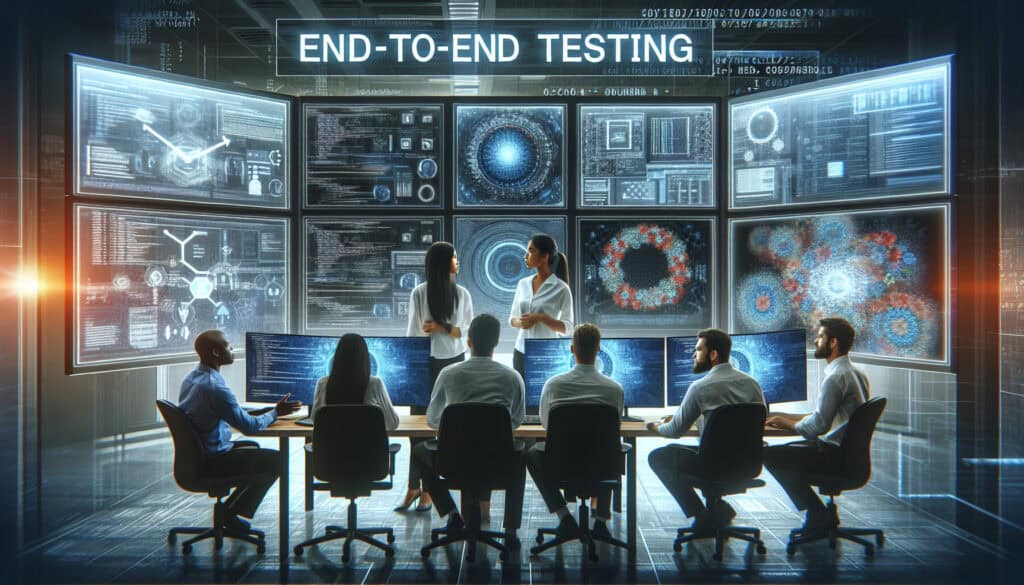
End-to-End Testing is widely adopted across various industries such as finance, healthcare, e-commerce, and telecommunications, where robust applications integrating multiple components are commonly developed. This methodology plays a pivotal role during the testing phase of product development, particularly after integration testing, as it comprehensively verifies the interplay among components under conditions akin to real-world usage. In practice, this testing approach often involves collaboration among stakeholders, including project managers, quality assurance teams, developers, and end-users, thus ensuring diverse perspectives are considered. For instance, in an e-commerce platform, End-to-End Testing would verify interactions such as product searches, user authentication, payment processing, and order fulfillment, ensuring that each step in the user journey functions seamlessly. This comprehensive validation can identify issues related to data flow and system interactions that may not be captured in isolated unit tests, thereby enhancing reliability and user satisfaction before a product launch. Such testing can also be integrated into continuous deployment pipelines, allowing for automated checks that assure successful operation following updates or code changes. With global teams often involved, considering different user scenarios from various geographies can add another layer of robustness to the testing process. Prioritization of End-to-End Testing is critical, especially when significant features or third-party services are added, to mitigate potential user experience pitfalls upon release.
이 방법론의 주요 단계
모든 주요 기능을 포괄하는 현실적인 사용자 시나리오를 파악하십시오.
사용자 워크플로를 기반으로 예외 상황을 포함한 테스트 케이스를 생성합니다.
실제 운영 환경과 최대한 유사한 테스트 환경을 구축하십시오.
전체 테스트 케이스를 수동으로 또는 자동화 도구를 통해 실행합니다.
테스트 중에 시스템 상호 작용을 모니터링하고 로그를 수집합니다.
예상 결과 및 사용자 요구 사항과 비교하여 결과를 분석합니다.
불일치 또는 오류를 파악하고 문서화하십시오.
수정된 문제를 다시 테스트하고 통합 지점을 다시 검증하십시오.
통합된 모든 시스템에서 데이터의 무결성과 일관성을 검증합니다.
기존 기능에 영향을 미치지 않는지 확인하기 위해 회귀 테스트를 수행합니다.
프로 팁
실제 사용 환경을 효율적으로 시뮬레이션하여 애플리케이션의 모든 구성 요소를 아우르는 사용자 행동을 모방하는 테스트 자동화 프레임워크를 구현합니다.
자동화된 테스트에서 간과될 수 있는 불일치 및 사용성 문제를 파악하기 위해 테스트 단계에서 최종 사용자의 피드백 루프를 통합하십시오.
코드 변경이 전체 시스템에 미치는 영향을 즉시 파악할 수 있도록 엔드투엔드 테스트를 포함하는 지속적 통합 및 지속적 배포(CI/CD) 파이프라인을 구축하십시오.