설계 문서, 디자인 검토, 프로세스 개선, 품질 보증, 품질 관리, 품질 관리, 품질경영시스템(QMS), Verification, 검증 및 유효성 검사
목적:
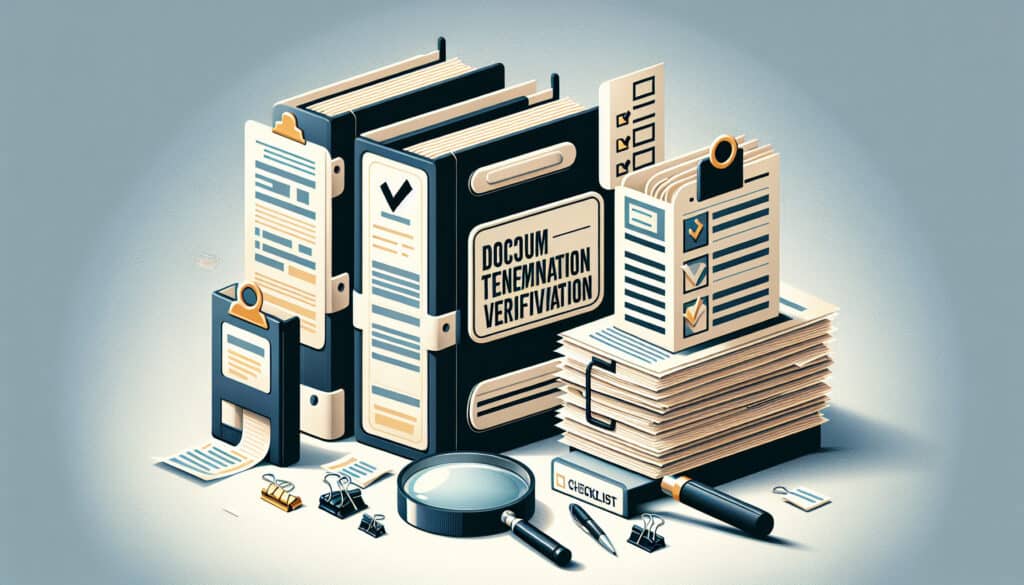
프로젝트 또는 시스템과 관련된 모든 유형의 문서를 검토하여 정확성, 명확성 및 완전성을 보장하는 프로세스입니다.
사용 방법:
여기에는 요구사항 명세서, 설계 문서, 사용자 설명서 및 테스트 계획을 검토하여 오류, 불일치 또는 모호한 부분을 찾는 작업이 포함될 수 있습니다.
장점
모든 이해관계자가 시스템을 명확하고 정확하게 이해하도록 보장하고, 제품의 품질과 유지보수성을 향상시키며, 품질 보증에 있어 매우 중요한 부분입니다.
단점
수동 작업은 매우 지루하고 시간이 많이 소요되는 과정일 수 있으며, 방대한 문서에서는 오류를 놓치기 쉽고, 문서를 최신 상태로 유지하는 것은 끊임없는 과제입니다.
카테고리:
공학, 프로젝트 관리, 품질
다음과 같은 경우에 가장 적합합니다:
요구사항 및 사용자 설명서와 같은 프로젝트 문서의 정확성과 완전성을 검증합니다.
Documentation Checking is often integrated within the broader scope of software development and engineering processes, particularly during various stages such as requirements gathering, design reviews, and pre-release testing. This methodology proves useful in industries such as aerospace, automotive, software, and electronics, where precision is paramount due to safety regulations and user safety. The initiation of documentation checking typically involves project managers or quality assurance teams who organize review sessions, bringing together stakeholders, design engineers, product managers, and end-users to verify that documentation accurately reflects the intended functionalities and user requirements. This collaborative approach encourages feedback and identifies any discrepancies or ambiguities early in the project, thereby minimizing the risk of costly errors during later phases. The process addresses a range of documents including requirement specifications, design documents, and test plans, ensuring that they remain aligned with the project’s goals. Engaging in thorough documentation reviews often identifies areas for improvement, enhancing understanding among team members and increasing the likelihood of producing a well-documented system, which is easier to maintain and modify in the future. Regular documentation checks also promote best practices in writing clear and concise manuals that can directly enhance user experience and satisfaction by providing accurate guidance. In regulated industries, consistent documentation review practices can facilitate compliance with industry standards and aid in passing audits, protecting organizations from potential liabilities. By embedding these practices into project workflows, teams can cultivate a culture of quality and accountability that is reflected in the final product.
이 방법론의 주요 단계
요구사항 명세서 및 설계 문서와 같이 검토해야 할 모든 관련 문서를 식별하십시오.
각 문서의 명확성과 완전성을 검토하여 필요한 모든 정보가 포함되어 있는지 확인하십시오.
요구사항, 설계 및 사용자 설명서 간의 일관성을 확인하기 위해 문서를 상호 참조하십시오.
프로젝트에 적용되는 산업 표준 및 지침을 준수하는지 확인하십시오.
모호하거나 불일치하는 부분이 있으면 지적하여 이해관계자들과 추가 논의를 진행하십시오.
모든 용어와 개념이 명확하게 정의되고 이해되었는지 확인하십시오.
발견된 문제의 심각도를 명시하여 명확한 형식으로 조사 결과를 문서화하십시오.
파악된 문제점을 해결하고 합의점을 도출하기 위해 이해관계자들과의 논의를 촉진합니다.
이해관계자의 의견 및 후속 조사 결과를 바탕으로 필요에 따라 문서를 업데이트하십시오.
업데이트된 문서를 최종 검토하여 모든 문제가 해결되었는지 확인하십시오.
프로 팁
자동화된 문서 비교 도구를 활용하여 불일치를 신속하게 파악하고 모든 문서의 일관성을 확보하십시오.
정의된 표준 및 이해관계자의 기대치 준수 여부를 철저히 검증하기 위해 특정 프로젝트 요구사항에 맞춘 체크리스트를 활용하십시오.
다양한 전문 지식을 활용하여 모호한 부분을 밝히고 문서의 명확성을 향상시키기 위해 여러 부서로 구성된 팀 내에서 정기적인 동료 검토를 실시하십시오.