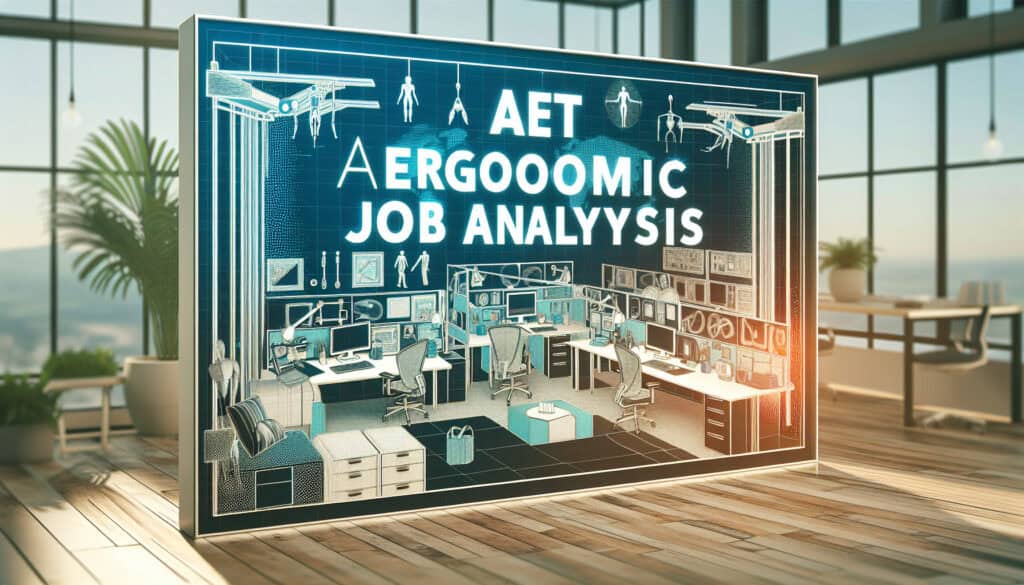
AET는 작업 활동을 분석하여 신체적, 조직적, 사회심리적 스트레스 요인을 파악하는 체계적인 절차입니다. 표준화된 설문지를 사용하여 광범위한 작업 관련 요인에 대한 데이터를 수집합니다.
장점
업무 시스템에 대한 전체적인 시각을 제공하고, 다양한 스트레스 요인을 파악하는 데 도움을 주며, 직무 설계 및 개선에 활용될 수 있습니다.
단점
이 방법은 매우 상세하고 시간이 많이 소요되며, 훈련된 분석가가 필요하고, 간단한 인체공학적 평가에는 너무 복잡할 수 있습니다.
카테고리:
인간 공학, 인사부
다음과 같은 경우에 가장 적합합니다:
직무 설계 및 개선을 위해 업무 관련 스트레스 요인에 대한 종합적인 분석을 실시합니다.
AET is widely adapted in industries such as manufacturing, healthcare, and service sectors, where understanding work-related stressors can lead to significant improvements in job design and employee well-being. In manufacturing, for instance, AET applications can identify ergonomic stressors that lead to injuries, allowing companies to modify workstation designs or implement better lifting techniques. In healthcare settings, the methodology can analyze the demands placed on staff during high-pressure scenarios, helping organizations to redesign workflows and reduce burnout. It can also be employed in office environments to assess social-psychological factors affecting employee collaboration and morale. The procedure is typically initiated by occupational health professionals, ergonomists, or human resource departments who collaborate with employees and management to gather data using the standardized questionnaire. Participants may include frontline workers, team leaders, and safety officers who contribute their experiences and insights, ensuring the analysis reflects a comprehensive view of the work environment. AET findings can serve as the foundation for training programs, organizational changes, or policy developments aimed at enhancing worker satisfaction and productivity, making it a valuable asset during the assessment and post-implementation phases of workplace improvement projects.
이 방법론의 주요 단계
분석할 업무 활동 또는 작업을 식별하십시오.
평가할 관련 인체공학적 요소를 선택하십시오.
표준화된 설문지를 활용하여 질적 및 양적 데이터를 수집합니다.
자세, 반복 동작, 들어올리기 등과 같은 신체적 작업 요소를 평가합니다.
근무 일정 및 직무 요구 사항을 포함한 조직적 요인을 평가합니다.
팀워크, 의사소통, 스트레스와 같은 사회심리학적 측면을 분석합니다.
연구 결과를 통합하여 성과와 복지에 영향을 미치는 스트레스 요인을 파악합니다.
분석을 바탕으로 직무 설계 및 개선 방안에 대한 권장 사항을 개발하십시오.
변경 사항을 실행하고 시간이 지남에 따라 그 효과를 모니터링하십시오.
프로 팁
다양한 부서의 의견을 수렴하기 위해 부서 간 협업팀을 활용하여 설문지 설계를 진행하고, 이를 통해 모든 부서의 스트레스 요인을 포괄적으로 파악할 수 있도록 하십시오.
설문지를 실제 환경에서 반복적으로 테스트하고, 피드백을 바탕으로 개선하여 신뢰성과 타당성을 향상시키십시오.
머신러닝과 같은 고급 데이터 분석 기법을 활용하여 기존 분석 방식으로는 간과할 수 있는 데이터 패턴을 파악하고 스트레스 요인의 영향을 더 잘 이해할 수 있도록 합니다.