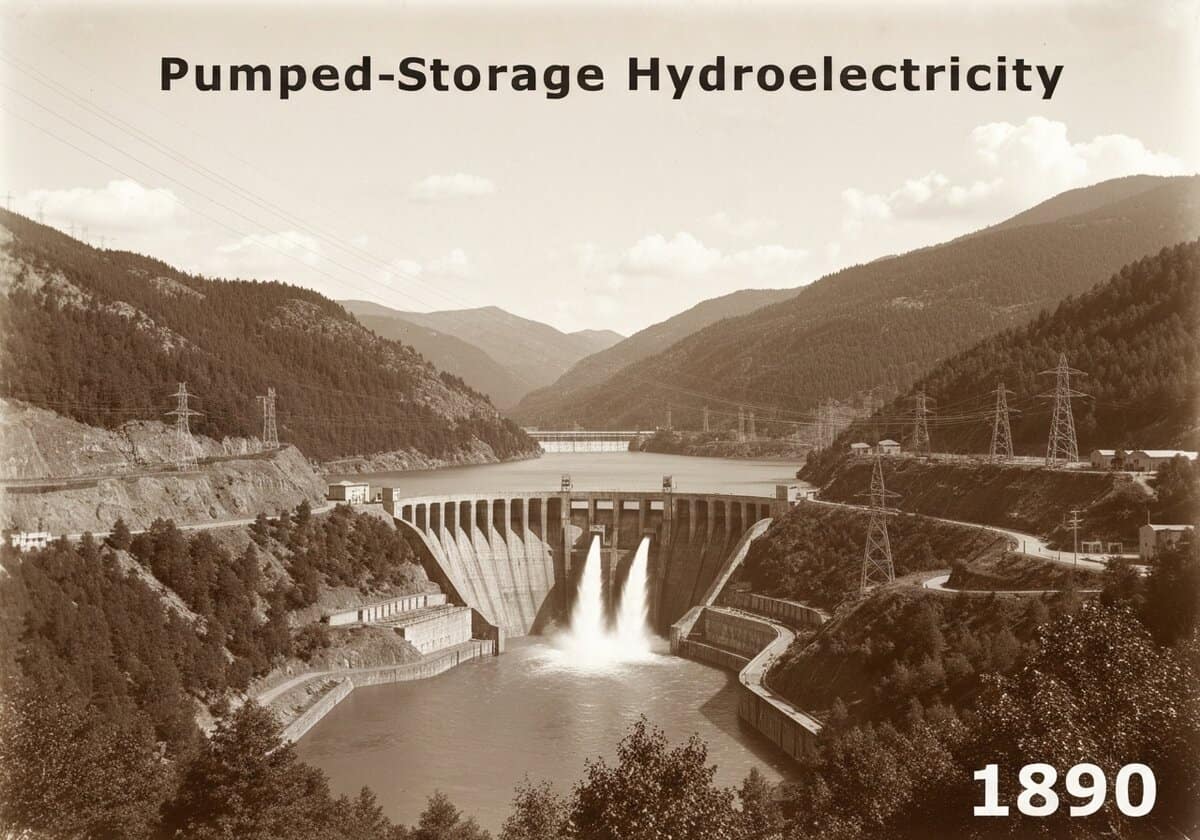
양수식 수력발전(PSH)은 전력 시스템의 부하 균형을 맞추기 위해 사용되는 수력 에너지 저장 방식의 한 종류입니다. 방법 낮은 고도의 저수지에서 높은 고도의 저수지로 물을 퍼 올려 중력 위치 에너지 형태로 에너지를 저장합니다. 전력 수요가 높은 시기에는 저장된 물을 방출하여 터빈을 회전시켜 전기를 생산합니다.
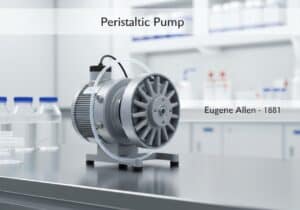
(설명을 위한 생성된 이미지입니다)
양수식 수력발전(PSH)은 전력 시스템의 부하 균형을 맞추기 위해 사용되는 수력 에너지 저장 방식의 한 종류입니다. 방법 낮은 고도의 저수지에서 높은 고도의 저수지로 물을 퍼 올려 중력 위치 에너지 형태로 에너지를 저장합니다. 전력 수요가 높은 시기에는 저장된 물을 방출하여 터빈을 회전시켜 전기를 생산합니다.

PSH systems are currently the most dominant form of grid-scale energy storage, accounting for over 94% of the world’s installed storage capacity. A typical PSH plant consists of two water reservoirs at different elevations. During off-peak hours, when electricity is cheap and abundant (e.g., at night or during high wind/solar generation), excess power is used to pump water from the lower reservoir to the upper one. This process converts electrical energy into gravitational potential energy. When electricity demand is high, water is released from the upper reservoir, flowing down through turbines to generate electricity, similar to a conventional hydroelectric plant. The round-trip efficiency of PSH systems is typically between 70% and 80%. The main advantages are their long lifespan (often over 50 years), large storage capacity, and ability to provide ancillary services to the grid. However, their deployment is geographically constrained, requiring specific topography with significant height differences and access to water.
현재 하루 4만 건이 넘는 봇 트래픽을 차단하기 위해 이 콘텐츠는 커뮤니티 회원만 이용할 수 있습니다.
> 로그인 < 또는 >등록 < 이 콘텐츠를 비롯한 모든 제한된 콘텐츠와 도구는 (100% 무료로) 이용할 수 있습니다.
양수식 수력 발전
(날짜를 알 수 없거나 관련이 없는 경우, 예를 들어 "유체역학"의 경우, 주목할 만한 등장 시기를 대략적으로 추정하여 제공합니다.)
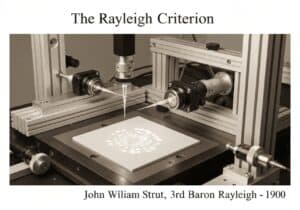
고화질 이미지 및 다운로드는 등록된 회원에게만 100% 무료로 제공됩니다.
> 로그인 <