Product Design, Manufacturing & Innovation Resources

帽子掛け5個(ラッチ式)

Hat Racks

帽子掛け5個(ラッチ式)

客観的:

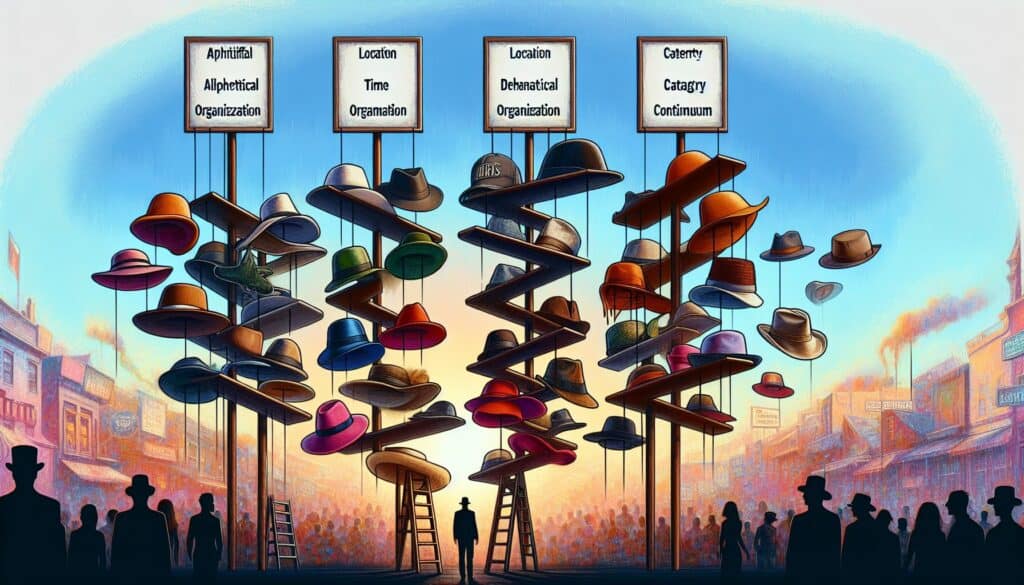
提供するために フレームワーク 情報を整理する5つの基本的な方法:場所、アルファベット順、時間順、カテゴリー順、階層(または連続体)。

使用方法:

長所

短所

カテゴリー:

最適な用途:

Five Hat Racks (LATCH) is particularly beneficial in sectors like e-commerce, education, healthcare, and any field requiring effective information presentation. For instance, in e-commerce platforms, categorizing products based on location, alphabet, time, category, or hierarchy allows users to swiftly find items, enhancing their shopping experience and potentially increasing sales. In educational applications, organizing materials by audience, such as students or teachers, ensures relevant content is easily accessible. In healthcare, patient information systems can utilize LATCH frameworks to filter data efficiently, aiding healthcare professionals in rapid decision-making. This methodology can be initiated by designers, information architects, or project managers during the early phases of system or interface design, fostering collaboration across disciplines, including UX/UI design and content strategy, ensuring that all relevant stakeholders contribute to the structure of the information. In contexts like workshops or brainstorming sessions, participants can collectively assess the most appropriate organizing principles by visually mapping content and user needs. Utilizing LATCH not only provides an intuitive structure but also makes the information architecture adaptable to various design processes, leading to better user satisfaction and engagement across diverse platforms and environments.

この方法論の主なステップ

  1. 保有しているデータまたはコンテンツの種類を特定してください。
  2. LATCHのカテゴリ(場所、アルファベット順、時間順、カテゴリ順、階層順)から適切な組織化スキームを選択してください。
  3. 選択したスキームにコンテンツをマッピングし、ユーザーのニーズと論理的に整合していることを確認します。
  4. 潜在的なユーザーに構造をテストしてもらい、使いやすさやナビゲーションに関するフィードバックを収集する。
  5. ユーザーからのフィードバックと観察結果に基づいて、情報アーキテクチャを改善する。
  6. 構造化された情報をシステムまたはインターフェースの設計に組み込む。
  7. 情報組織の有効性を継続的に評価するために、ユーザーの操作状況を監視する。

プロのヒント

  • LATCHを階層的に活用し、最も関連性の高い情報層から始めて、ユーザーにとって明確な経路を確立してください。
  • 複数のLATCHコンポーネントを組み合わせて相互参照を行うことで、主要ナビゲーションの明瞭さを維持しながら、ユーザーを圧倒することなく機能の深さを向上させることができます。
  • LATCH構造を実際のユーザーを対象に、状況に応じて定期的にテストし、フィードバックに基づいて調整することで、組織が変化するユーザーニーズに対応できるようにする。

複数の方法論を読み比べて、 私たちは、

> 包括的な方法論リポジトリ  <
400以上の他の手法と併せて。

この方法論に関するご意見や追加情報は、 以下のコメント欄 ↓、エンジニアリング関連のアイデアやリンクも同様です。

歴史的背景

1914
1950
1957
1960
1960
1970
1980
1914
1942
1957
1957
1960
1965
1970
1980

(日付が不明または関連性がない場合、例えば「流体力学」などでは、その注目すべき出現時期の概算値が提示されます。)

フルサイズの画像とダウンロードは、登録会員のみが100%無料で利用できます。