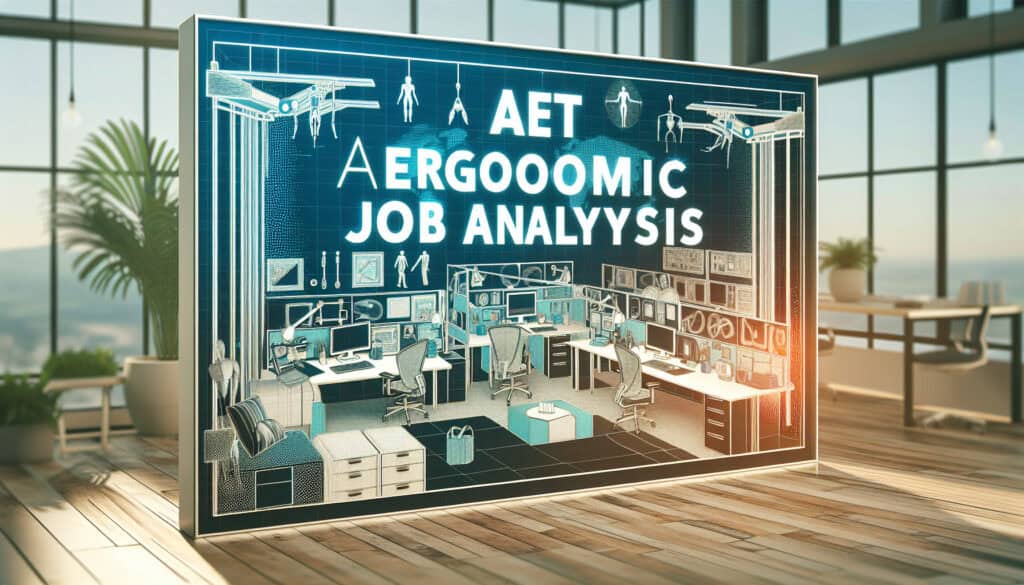
AET is widely adapted in industries such as manufacturing, healthcare, and service sectors, where understanding work-related stressors can lead to significant improvements in job design and employee well-being. In manufacturing, for instance, AET applications can identify ergonomic stressors that lead to injuries, allowing companies to modify workstation designs or implement better lifting techniques. In healthcare settings, the methodology can analyze the demands placed on staff during high-pressure scenarios, helping organizations to redesign workflows and reduce burnout. It can also be employed in office environments to assess social-psychological factors affecting employee collaboration and morale. The procedure is typically initiated by occupational health professionals, ergonomists, or human resource departments who collaborate with employees and management to gather data using the standardized questionnaire. Participants may include frontline workers, team leaders, and safety officers who contribute their experiences and insights, ensuring the analysis reflects a comprehensive view of the work environment. AET findings can serve as the foundation for training programs, organizational changes, or policy developments aimed at enhancing worker satisfaction and productivity, making it a valuable asset during the assessment and post-implementation phases of workplace improvement projects.