Product Design, Manufacturing & Innovation Resources

在庫管理

在庫管理

在庫管理

客観的:

顧客の需要を満たすために適切な量の在庫を管理・維持しつつ、コストを最小限に抑えること。

使用方法:

長所

短所

カテゴリー:

最適な用途:

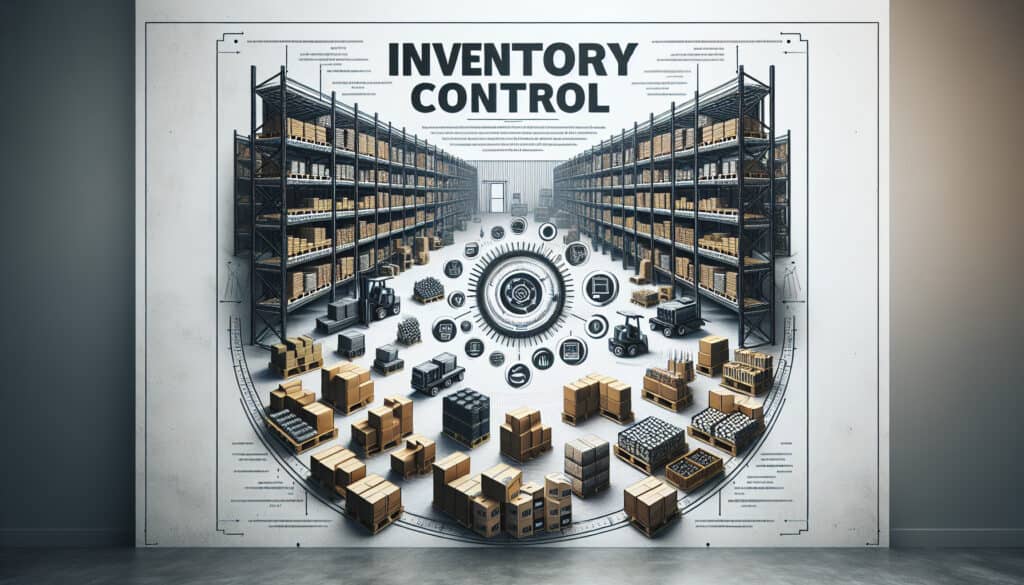
Inventory Control plays a significant role across various industries such as retail, manufacturing, and e-commerce, ensuring that stock levels are balanced and responsive to market demands. The implementation of this methodology is often initiated during the planning phase of a project, where supply chain managers and operations teams collaborate to analyze historical sales patterns, forecast future demand, and develop inventory strategies. Tools such as Just-In-Time (JIT) inventory management, Economic Order Quantity (EOQ) models, and ABC analysis are commonly employed to categorize and prioritize inventory items based on their turnover rates and contribution to overall revenue. This approach not only aids in minimizing excess stock and reducing storage costs but also enhances production efficiency, particularly in manufacturing environments. Stakeholders like suppliers, logistics providers, and sales teams play a critical part in this process by sharing real-time data and market insights, allowing for better decision-making. Industries such as pharmaceuticals, where product expiration dates are a concern, or those dealing with seasonal merchandise, benefit greatly from responsive inventory strategies that adapt to changing customer preferences. Effective Inventory Control methodologies also enable businesses to implement automated systems for tracking inventory levels, reducing manual errors, and providing heightened visibility across the supply chain, which in turn leads to improved cash flow management and elevated customer satisfaction through timely order fulfillment.

この方法論の主なステップ

  1. 事業目標に沿った在庫管理目標を定義する。
  2. 需要を正確に予測するために、予測手法を用いる。
  3. EOQなどのモデルを用いて最適な発注量を決定する。
  4. ABC分析などの在庫分類システムを導入する。
  5. 製品の最小在庫量と最大在庫量を設定する。
  6. リアルタイムの在庫追跡には、自動化システムを活用する。
  7. 業績指標に基づいて、在庫レベルを定期的に見直し、調整する。
  8. 需要シグナルに基づいて、タイムリーな在庫補充のためにサプライヤーと連携する。
  9. 在庫データを販売システムおよび調達システムと統合する。
  10. 在庫記録の正確性を維持するために、サイクルカウントを実施する。

プロのヒント

  • 在庫レベルを生産スケジュールと顧客需要に合わせ、保管コストを最小限に抑えるために、ジャストインタイム(JIT)在庫管理手法を導入する。
  • 機械学習アルゴリズムを組み込んだ高度な予測モデルを活用し、需要変動を予測して発注プロセスを最適化します。
  • RFID技術を活用することで、在庫のリアルタイム追跡と可視化を実現し、差異を削減し、在庫回転率を向上させる。

複数の方法論を読み比べて、 私たちは、

> 包括的な方法論リポジトリ  <
400以上の他の手法と併せて。

この方法論に関するご意見や追加情報は、 以下のコメント欄 ↓、エンジニアリング関連のアイデアやリンクも同様です。

歴史的背景

1914
1950
1957
1960
1960
1970
1980
1914
1942
1957
1957
1960
1965
1970
1980

(日付が不明または関連性がない場合、例えば「流体力学」などでは、その注目すべき出現時期の概算値が提示されます。)

関連記事

フルサイズの画像とダウンロードは、登録会員のみが100%無料で利用できます。