Product Design, Manufacturing & Innovation Resources

अवलोकन के तरीके (वीडियो विश्लेषण सहित)

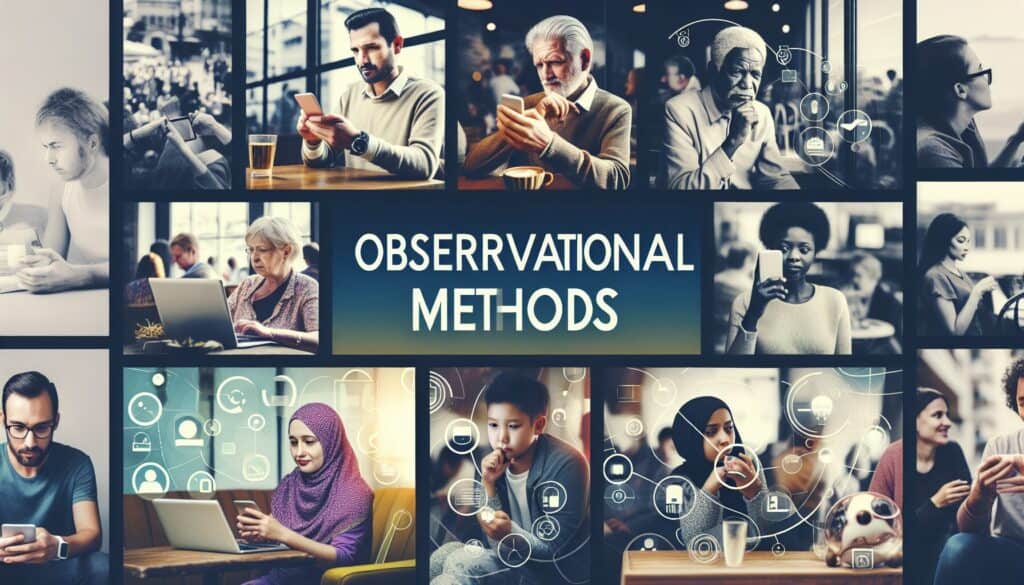
Observational Methods

अवलोकन के तरीके (वीडियो विश्लेषण सहित)

उद्देश्य:

उपयोगकर्ता के व्यवहार, संदर्भ और जरूरतों को प्राकृतिक या नियंत्रित सेटिंग में किसी उत्पाद, सेवा या पर्यावरण के साथ बातचीत करते हुए देखकर समझना।
इसका उपयोग कैसे किया जाता है:

फायदे

नुकसान

श्रेणियाँ:

इसके लिए सबसे अच्छा:

Observational methods, including video analysis, are increasingly integral in industries such as consumer electronics, automotive design, healthcare, and user experience research, where understanding user interaction with products is paramount. In the design phase of products, particularly during prototyping and usability testing, teams can benefit from observing users directly engaging with their designs or systems in a controlled environment, as well as in natural settings. This methodology is particularly useful during the development phase, where identifying potential issues before full-scale production can save time and costs. Participants in this process typically include product designers, UX researchers, engineers, and stakeholders who have a vested interest in the end-user experience. Video analysis serves as a powerful tool, allowing teams to review recorded sessions where users perform specified tasks, enabling a thorough examination of the interaction that might be overlooked during live observation. Data gathered through these observations can provide statistically significant findings that inform design modifications, ensuring products meet user needs more effectively. In contexts such as healthcare, observational methods can reveal how patients interact with medical devices or apps, thereby informing design choices that enhance usability and comfort. Capturing unfiltered actions and verbal feedback leads to an authentic representation of user behavior, making it an invaluable method for iterative design processes.

इस पद्धति के प्रमुख चरण

  1. Define the scope of observation and identify the specific user interactions to study.
  2. Select appropriate observational settings to ensure authentic user behavior.
  3. Choose the right tools for video analysis and ensure proper recording quality.
  4. Conduct the observation, ensuring minimal interference with user behavior.
  5. Review the recorded materials thoroughly, focusing on user actions and interactions.
  6. Identify patterns and usability issues from the video analysis.
  7. Annotate findings with specific user behaviors and contextual details.
  8. Iterate on observations by cross-referencing multiple recordings if necessary.

प्रो टिप्स

  • Utilize mixed methods by combining observational data with user interviews for deeper contextual understanding.
  • Leverage advanced video analysis tools that enable frame-by-frame playback and annotation to identify subtle usability issues.
  • Incorporate real-time analytics alongside recorded sessions to correlate user behavior with quantitative metrics for thorough analysis.

विभिन्न पद्धतियों को पढ़ने और उनकी तुलना करने के लिए, हम अनुशंसा करते हैं

> व्यापक कार्यप्रणाली भंडार  <
अन्य 400 से अधिक पद्धतियों के साथ।

इस कार्यप्रणाली पर आपकी टिप्पणियाँ या अतिरिक्त जानकारी का स्वागत है। नीचे टिप्पणी अनुभाग देखें ↓ , साथ ही इंजीनियरिंग से संबंधित कोई भी विचार या लिंक।

ऐतिहासिक संदर्भ

1941
1986
1990
2000
1950
1990
1990

(यदि तिथि अज्ञात है या प्रासंगिक नहीं है, उदाहरण के लिए "द्रव यांत्रिकी", तो इसके उल्लेखनीय उद्भव का एक अनुमानित आंकड़ा प्रदान किया गया है)


संबंधित पोस्ट

पंजीकृत सदस्यों के लिए पूर्ण आकार की छवियाँ और डाउनलोड 100% निःशुल्क उपलब्ध हैं।