Product Design, Manufacturing & Innovation Resources

مؤشر الإجهاد الوظيفي (JSI)

Job Strain Index

مؤشر الإجهاد الوظيفي (JSI)

الهدف:

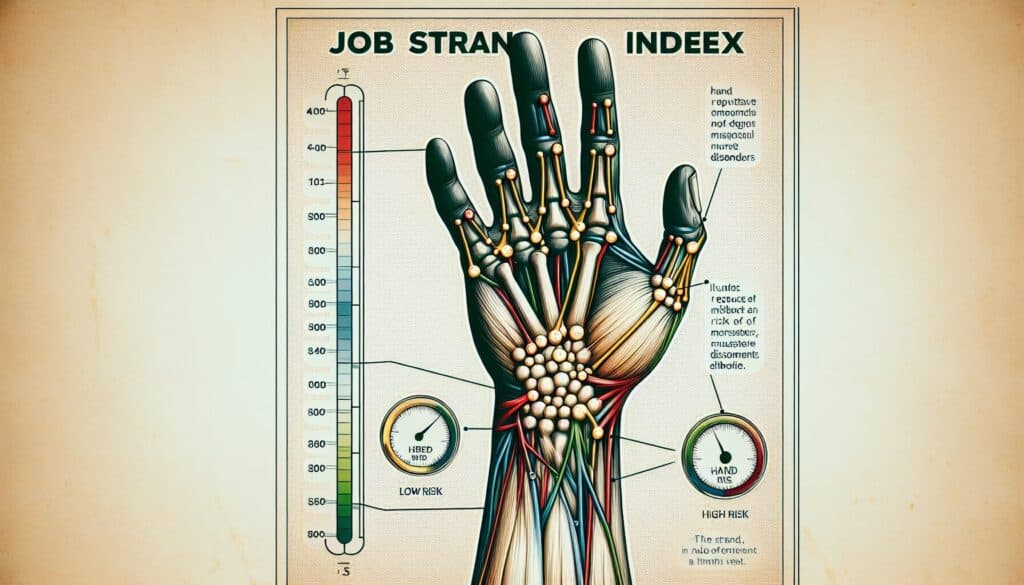
طريقة لتقييم خطر الإصابة باضطرابات العضلات والعظام في اليد والمعصم والساعد والمرفق، والتي ترتبط في المقام الأول بالجهد المتكرر والقوي.


كيفية استخدامه:

الايجابيات

سلبيات

الفئات:

الأفضل لـ:

The Job Strain Index (JSI) is particularly beneficial in various sectors that involve manual labor, such as manufacturing, construction, healthcare, and warehousing, where workers are susceptible to musculoskeletal disorders. This methodology is most effectively applied during the ergonomics assessment phase of workplace design or during the evaluation of existing job tasks to identify risks associated with specific work activities. It is typically initiated by occupational health and safety professionals, ergonomists, or human factors specialists, often in collaboration with workers, supervisors, and management to ensure a comprehensive understanding of job demands and work environments. The process includes observational studies and data collection on workers’ tasks, thereby engaging different stakeholders in the evaluation process, including engineers looking to improve workstation designs and occupational therapists assessing the impact of job requirements on individual health. The JSI score serves as a quantifiable measure that can drive interventions, such as redesigning tasks to minimize risk factors, implementing job rotation strategies, or offering training to modify manual handling techniques. Its user-friendly nature allows for quick on-site evaluations, making it a practical tool during safety audits or in the development of workplace initiatives that aim to enhance worker well-being while maintaining productivity standards. By providing a clear numerical risk assessment, JSI aids in prioritizing actions needed for improvement, offering a straightforward approach to risk management in operational settings.

الخطوات الرئيسية لهذه المنهجية

  1. حدد شدة الجهد المبذول لكل مهمة باستخدام مقياس موحد.
  2. قم بتقييم مدة الجهد المبذول لكل دورة لكل مهمة محددة.
  3. احسب عدد الجهود المبذولة في الدقيقة الواحدة للمهام ذات الصلة.
  4. قم بتقييم وضعية اليد/المعصم أثناء كل مهمة باستخدام معايير محددة.
  5. قم بقياس سرعة العمل لكل مهمة كجزء من التحليل.
  6. قدّر مدة المهمة التي يتم إنجازها كل يوم.
  7. احسب درجة مؤشر الإجهاد الوظيفي من خلال دمج جميع المعايير التي تم تقييمها.
  8. قارن النتيجة المحسوبة بالقيم الحدية المحددة لتحديد مستوى المخاطر.

نصائح للمحترفين

  • دمج ملاحظات المهام مع حسابات مؤشر شدة الوظيفة (JSI) لالتقاط الاختلافات الواقعية في مستويات الجهد ولتوجيه تعديلات التصميم.
  • Utilize the JSI data as a baseline for iterative design changes and re-evaluate periodically to track the effectiveness of ergonomic interventions.
  • التعاون مع فرق متعددة التخصصات لتقييم المتغيرات الخاصة بالسياق مثل البيئة وسير العمل، مما يعزز دقة تطبيق JSI.

لقراءة عدة منهجيات ومقارنتها, نوصي باستخدام

> مستودع المنهجيات الشامل  <
مع أكثر من 400 منهجية أخرى.

نرحب بتعليقاتكم على هذه المنهجية أو المعلومات الإضافية على قسم التعليقات أدناه ↓، وكذلك أي أفكار أو روابط متعلقة بالهندسة.

السياق التاريخي

1941
1986
1990
2000
1950
1990
1990

(إذا كان التاريخ غير معروف أو غير ذي صلة، على سبيل المثال "ميكانيكا الموائع"، يتم توفير تقدير تقريبي لظهوره الملحوظ)


منشورات ذات صلة

الصور بالحجم الكامل والتنزيلات متاحة فقط 100% مجاناً للأعضاء المسجلين.