التحسين المستمر, تخصيص التكلفة, نظام الإنتاج في الوقت المناسب (JIT), التصنيع الرشيق, الخدمات اللوجستية, تحسين العمليات, إدارة الجودة, الموردين
الهدف:
إدارة وصيانة الكمية المناسبة من المخزون لتلبية طلبات العملاء مع تقليل التكاليف إلى أدنى حد.
كيفية استخدامه:
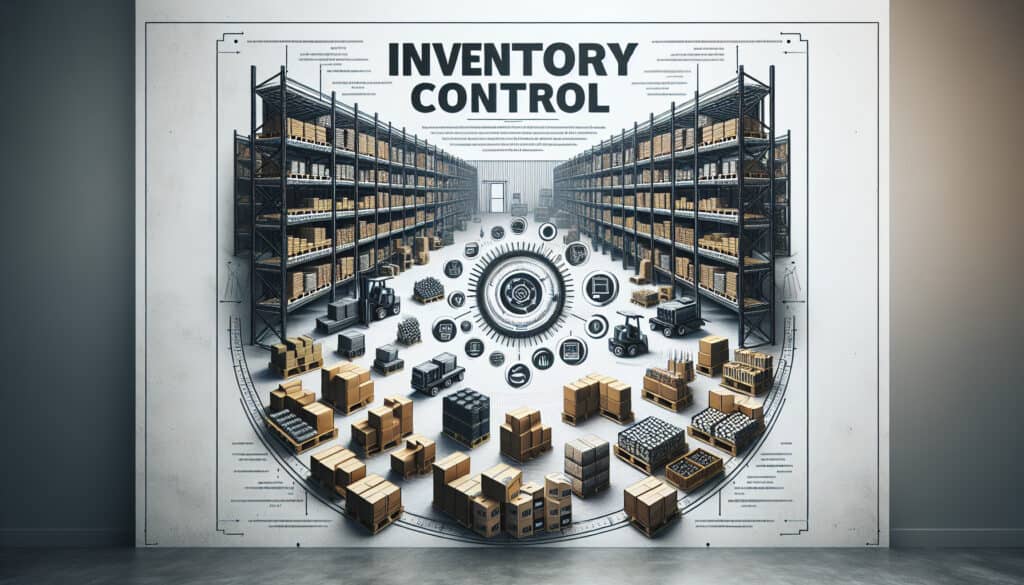
The process of managing a company's inventory levels, including ordering, storing, and tracking inventory. The goal is to have the right products in the right place at the right time to meet customer demand without tying up too much capital in inventory.
قد يكون من الصعب إدارتها، خاصة بالنسبة للشركات التي لديها عدد كبير من المنتجات؛ ويتطلب ذلك تنبؤات دقيقة وتحليلاً للبيانات.
الفئات:
لين سيجما, تصنيع
الأفضل لـ:
إدارة مستويات المخزون في أعمال البيع بالتجزئة أو التصنيع لتحسين مستويات المخزون وتقليل التكاليف.
Inventory Control plays a significant role across various industries such as retail, manufacturing, and e-commerce, ensuring that stock levels are balanced and responsive to market demands. The implementation of this methodology is often initiated during the planning phase of a project, where supply chain managers and operations teams collaborate to analyze historical sales patterns, forecast future demand, and develop inventory strategies. Tools such as Just-In-Time (JIT) inventory management, Economic Order Quantity (EOQ) models, and ABC analysis are commonly employed to categorize and prioritize inventory items based on their turnover rates and contribution to overall revenue. This approach not only aids in minimizing excess stock and reducing storage costs but also enhances production efficiency, particularly in manufacturing environments. Stakeholders like suppliers, logistics providers, and sales teams play a critical part in this process by sharing real-time data and market insights, allowing for better decision-making. Industries such as pharmaceuticals, where product expiration dates are a concern, or those dealing with seasonal merchandise, benefit greatly from responsive inventory strategies that adapt to changing customer preferences. Effective Inventory Control methodologies also enable businesses to implement automated systems for tracking inventory levels, reducing manual errors, and providing heightened visibility across the supply chain, which in turn leads to improved cash flow management and elevated customer satisfaction through timely order fulfillment.
الخطوات الرئيسية لهذه المنهجية
حدد أهداف مراقبة المخزون بما يتماشى مع أهداف العمل.
استخدام تقنيات التنبؤ لتوقع الطلب بدقة.
حدد كميات الطلب المثلى باستخدام نماذج مثل EOQ.
قم بتطبيق أنظمة تصنيف المخزون، مثل تحليل ABC.
تحديد الحد الأدنى والحد الأقصى لمخزون المنتجات.
استخدم الأنظمة الآلية لتتبع المخزون في الوقت الفعلي.
قم بمراجعة مستويات المخزون وتعديلها بانتظام بناءً على مؤشرات الأداء.
التنسيق مع الموردين لإعادة التخزين في الوقت المناسب بناءً على مؤشرات الطلب.
دمج بيانات المخزون مع أنظمة المبيعات والمشتريات.
إجراء عمليات جرد دورية للحفاظ على دقة سجلات المخزون.
نصائح للمحترفين
تطبيق ممارسات إدارة المخزون في الوقت المناسب (JIT) لمواءمة مستويات المخزون مع جداول الإنتاج وطلب العملاء، مما يقلل من تكاليف التخزين.
استخدم نماذج التنبؤ المتقدمة التي تتضمن خوارزميات التعلم الآلي للتنبؤ بتقلبات الطلب وتحسين عمليات الطلب.
استخدم تقنية RFID لتتبع المخزون ورؤيته في الوقت الفعلي، مما يقلل من التناقضات ويحسن معدلات دوران المخزون.