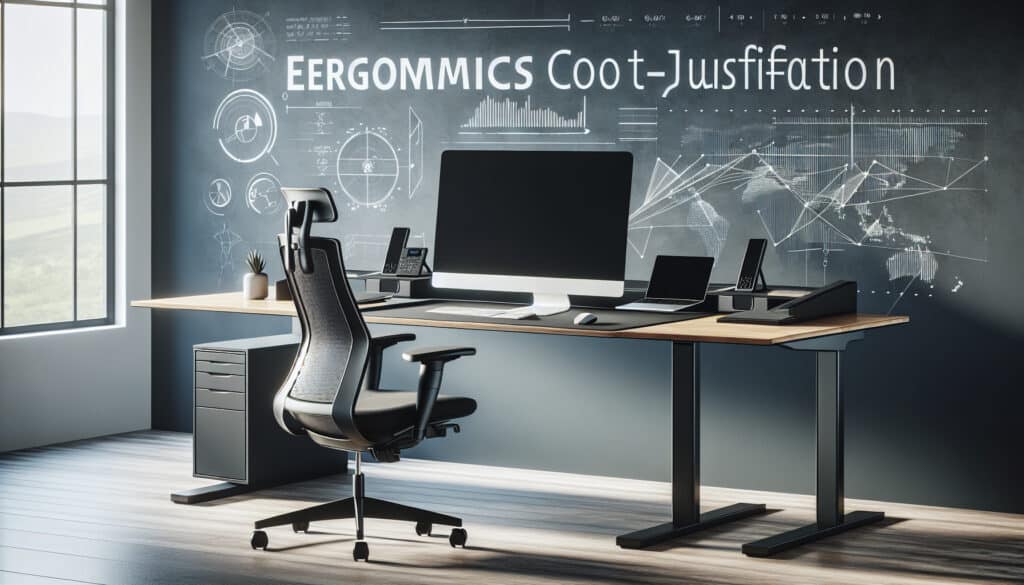
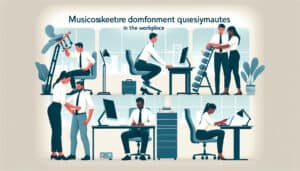
The Ergonomics Cost-Justification Worksheets find application across various industries, including manufacturing, healthcare, and office settings, where ergonomic improvements stand to significantly enhance worker efficiency and safety. These worksheets can be particularly valuable during the design and planning phases of new product development or workplace redesign initiatives, enabling teams to identify potential ergonomic issues early and integrate solutions before project implementation. Input from multiple stakeholders, including ergonomists, engineers, human resources, and finance teams, enriches the analysis, ensuring a comprehensive understanding of both direct and indirect costs associated with ergonomic deficiencies such as repetitive strain injuries or work-related musculoskeletal disorders. These tools facilitate a comparison of lost productivity and reputational risks against the projected costs of ergonomic interventions, which can range from simple workstation adjustments to larger-scale redesigns and equipment investments. Real-world applications can be seen in the automotive industry, where ergonomic assessments have been implemented to reduce injury rates on assembly lines, ultimately leading to decreased workers’ compensation claims and improved employee morale. Data derived from these worksheets can strengthen the case for ergonomic initiatives when presented to management, demonstrating anticipated returns through increased efficiency, reduced absenteeism, and enhanced employee retention, thus reflecting positively on organizational performance metrics. Successful implementation of the worksheets can help organizations shift from a reactive stance on health and safety to a proactive one, ensuring that ergonomic considerations become an integral part of the workplace culture and design philosophy.
الخطوات الرئيسية لهذه المنهجية
نصائح للمحترفين
لقراءة عدة منهجيات ومقارنتها, نوصي باستخدام
> مستودع المنهجيات الشامل <
مع أكثر من 400 منهجية أخرى.
نرحب بتعليقاتكم على هذه المنهجية أو المعلومات الإضافية على قسم التعليقات أدناه ↓، وكذلك أي أفكار أو روابط متعلقة بالهندسة.