Product Design, Manufacturing & Innovation Resources
بيت » اختبار الإثبات

اختبار الإثبات

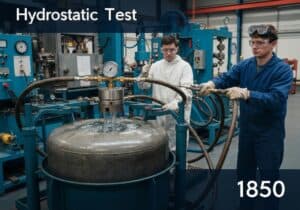
1850
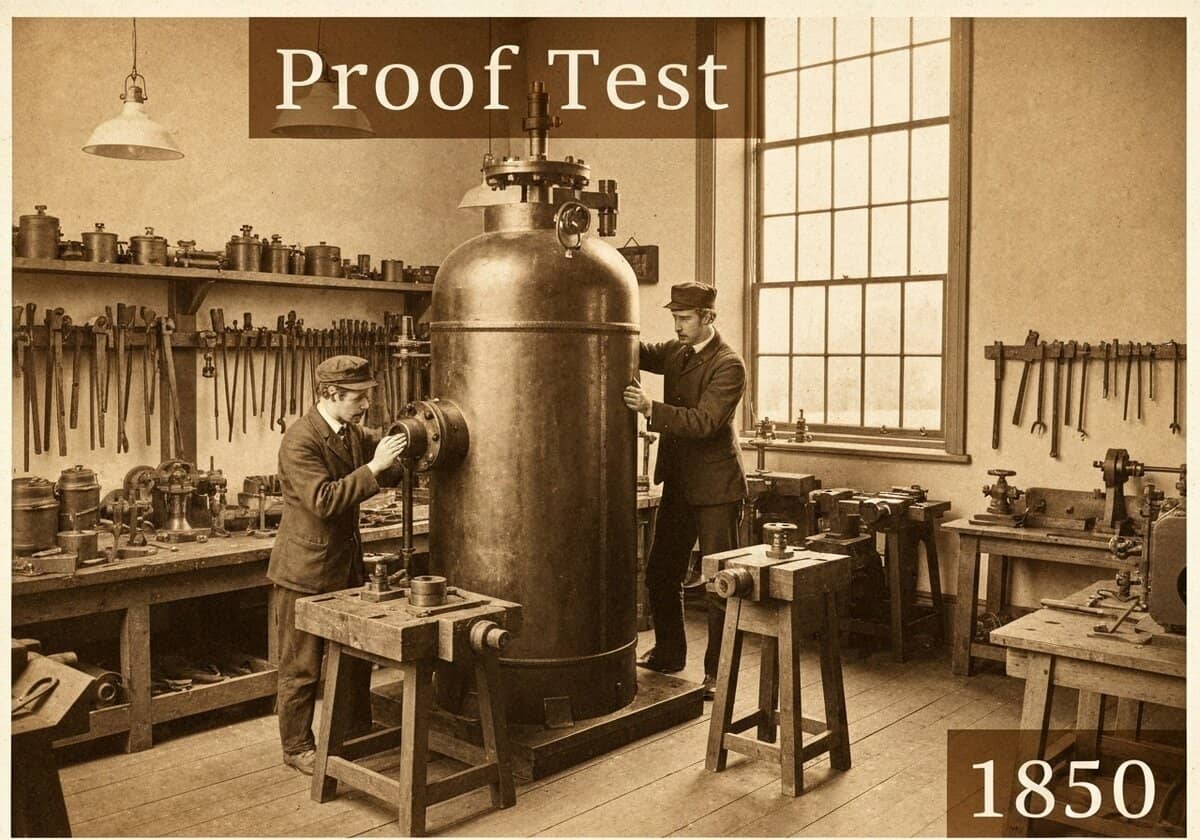
وعاء ضغط يخضع لاختبار إثبات في مختبر اختبار المواد 1850.

(صورة تم إنشاؤها للتوضيح فقط)

اختبار الإثبات هو شكل من أشكال ضغط يُجرى هذا الاختبار عندما يتعرض هيكل أو مكون لحمل أكبر من حمل التشغيل العادي، ولكنه أقل من حمل الفشل المتوقع. والهدف منه هو إثبات صلاحية الاستخدام والتحقق من تصنيع العيوب دون التسبب في تلف المنتج المصنّع بشكل صحيح، وبالتالي التحقق من سلامته الهيكلية.


The fundamental idea behind a proof test, also known as proof loading, is to apply a controlled stress that simulates a worst-case or overload scenario in a safe environment. This stress, the ‘proof load’, is carefully calculated to be a specific percentage above the maximum expected working load. For instance, a crane hook rated for 10 tons might be proof tested to 12.5 or 15 tons. The key is that this proof load must remain below the material’s nominal yield strength. If the component withstands this load without any permanent deformation (plastic deformation), it passes the test. This provides a high degree of confidence that the component is free from significant hidden flaws, such as cracks, voids, improper heat treatment, or incorrect material composition, which could lead to failure under normal operating conditions. It is a practical method to verify both the design and the manufacturing process for every single unit, rather than relying solely on statistical sampling or theoretical calculations.

Historically, the need for such tests became apparent during the Industrial Revolution with the widespread use of steam boilers and iron bridges. Catastrophic failures, often resulting in significant loss of life, highlighted the unreliability of materials and manufacturing techniques of the era. Proof testing was instituted as a mandatory safety measure to ensure that each critical component could handle its intended loads. While modern non-destructive testing (NDT) methods like ultrasonic or X-ray inspection can detect flaws, the proof test remains a definitive ‘go/no-go’ assessment of a component’s actual strength and integrity under load, integrating the effects of all variables in the final product.

UNESCO Nomenclature: 3322
- علم المواد

يكتب

طريقة الاختبار الهندسي

الاضطراب

كبير

الاستخدام

الاستخدام الواسع النطاق

السلائف

  • المفاهيم الأساسية للإجهاد والانفعال (قانون هوك)
  • فهم خصائص المواد مثل قوة الخضوع وقوة الشد القصوى
  • تطوير أجهزة تطبيق الحمل والقياس (على سبيل المثال، المكابس الهيدروليكية، مقاييس الانفعال)
  • الحوادث الصناعية المبكرة (على سبيل المثال، انفجارات الغلايات) مما أدى إلى الحاجة إلى التحقق من السلامة

التطبيقات

  • مراقبة الجودة في التصنيع
  • شهادة السلامة لمعدات الرفع
  • التحقق من سلامة الهياكل الإنشائية للجسور والمباني
  • شهادة أوعية الضغط

براءات الاختراع:

NA

أفكار ابتكارات محتملة

بسبب عمليات جمع البيانات من خلال برامج الروبوت، والتي تتجاوز حاليًا 40 ألفًا يوميًا، فإن هذا المحتوى مخصص لأعضاء المجتمع فقط.
> تسجيل الدخول < أو > سجل < (مجاني 100٪) للوصول إلى هذا، وكذلك جميع المحتويات والأدوات الأخرى المقيدة.

يتعلق بـ: اختبار الإثبات، تحميل الإثبات، اختبار الإجهاد، مراقبة الجودة، الاختبار غير المدمر، السلامة الهيكلية، عامل الأمان، قوة الخضوع، عيوب التصنيع، تحمل الأحمال.

السياق التاريخي

اختبار الإثبات

1750
1788
1834
1850
1850
1850
1850
1700
1761
1807-01-01
1850
1850
1850
1850
1860

(إذا كان التاريخ غير معروف أو غير ذي صلة، على سبيل المثال "ميكانيكا الموائع"، يتم توفير تقدير تقريبي لظهوره الملحوظ)

الصور بالحجم الكامل والتنزيلات متاحة فقط 100% مجاناً للأعضاء المسجلين.