지속적인 개선, 인간 공학, 인간적 요소, 인간공학(HFE), 프로세스 개선, 품질 관리, 위험 분석, 위험 관리, 안전
목적:
다양한 수작업으로 인한 근골격계 질환 위험을 평가하기 위해.
사용 방법:
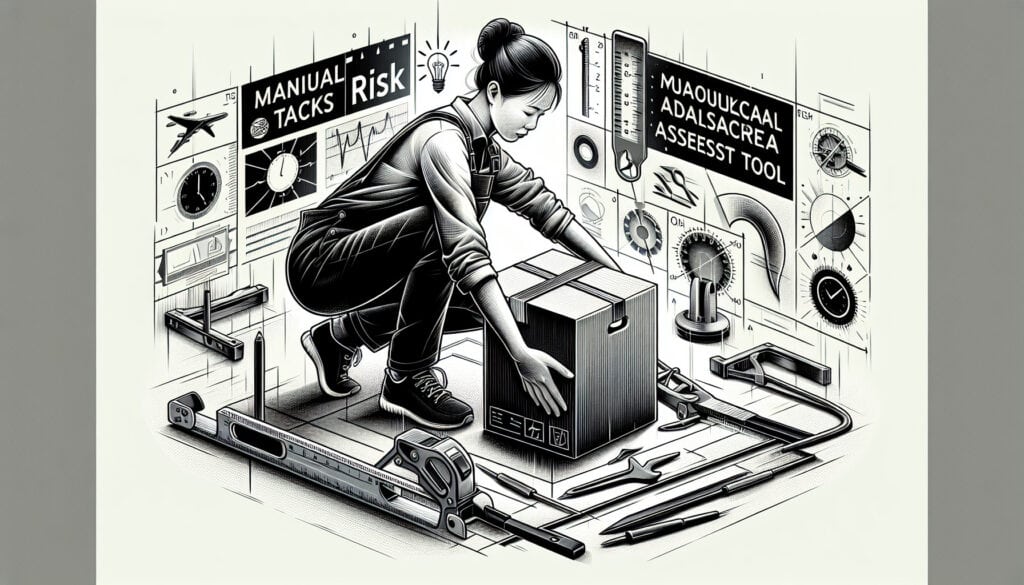
이 인체공학적 위험 평가 도구는 단순히 물건을 들어 올리는 작업뿐만 아니라 다양한 수작업과 관련된 위험 수준을 평가합니다. 자세, 힘, 반복 횟수 등의 요소를 고려하여 종합적인 위험 점수를 제공합니다.
장점
다양한 수동 작업을 포괄하는 종합적인 도구이며, 위험 평가에 대한 체계적인 접근 방식을 제공합니다.
단점
사용이 복잡할 수 있으며 교육이 필요할 수 있습니다. 평가에 시간이 많이 소요될 수 있습니다.
카테고리:
인간 공학, 위험 관리
다음과 같은 경우에 가장 적합합니다:
Conducting a detailed ergonomic assessment of manual jobs with varied and complex tasks.
ManTRA serves a wide range of industries, including manufacturing, healthcare, logistics, and construction, where workers frequently engage in manual tasks that pose ergonomic risks. The tool is applicable during the planning and implementation phases of work procedures, allowing organizations to integrate ergonomic assessments into the design of workspaces and practices. It is initiated by safety professionals, ergonomists, or health and safety managers, but should actively involve workers who perform the tasks being assessed, as their feedback can provide invaluable information regarding the practical challenges they face. ManTRA assesses multiple aspects of manual tasks, such as body posture, repetitive actions, and force exertion, which helps organizations identify high-risk activities and implement targeted interventions to mitigate risks. By providing a comprehensive risk score, organizations can prioritize actions based on severity and likelihood, ensuring that the most significant issues are addressed first. This methodology not only aids in compliance with occupational health and safety regulations but also contributes to improved worker well-being, reduced injury rates, lower absenteeism, and higher productivity, reflecting positively on operational efficiency and employee morale. Its structured approach also facilitates comparisons across different tasks and roles, enabling standardized assessments that can guide policy formation and foster continuous improvement in workplace ergonomics. This versatility makes ManTRA an invaluable resource for organizations striving to enhance worker safety and optimize task design.
이 방법론의 주요 단계
평가 대상이 되는 과제를 명확히 하고, 다양한 수작업 활동에 초점을 맞추도록 하십시오.
각 작업에 필요한 자세를 분석하고 위험을 초래할 수 있는 부자연스러운 자세를 기록하십시오.
작업 중 가해지는 힘을 평가하여 처리해야 하는 신체적 부하 수준을 판단합니다.
수행하는 활동의 빈도와 지속 시간, 특히 반복적인 동작의 빈도와 지속 시간을 살펴보십시오.
작업 환경을 평가하여 인체공학적 위험을 악화시킬 수 있는 요인을 파악하십시오.
조사 결과를 종합하여 각 작업에 대한 인체공학적 위험 수준을 나타내는 전반적인 위험 점수를 계산합니다.
확인된 위험 요소를 완화하기 위한 전략을 개발하십시오. 여기에는 작업 재설계 또는 인체공학적 보조 장치 제공이 포함됩니다.
변경 사항을 구현하고 작업 수행을 모니터링하여 인체공학적 기준을 지속적으로 준수하도록 합니다.
프로 팁
위험 평가 과정에 사용자 피드백을 통합하여 결과를 검증하고 효과적인 개입 방안을 마련하십시오.
첨단 모션 캡처 기술을 활용하여 실시간 자세 및 움직임 데이터를 수집함으로써 평가 정확도를 향상시킵니다.
인체공학적 개선의 효과를 측정하고 지속적인 개선을 보장하기 위해 개입 후 반복적인 테스트를 시행합니다.