지속적인 개선, 비용 배분, 프로세스 개선, 프로세스 최적화, 품질 보증, 품질 관리, 품질 관리, 품질경영시스템(QMS), 근본 원인 분석
목적:
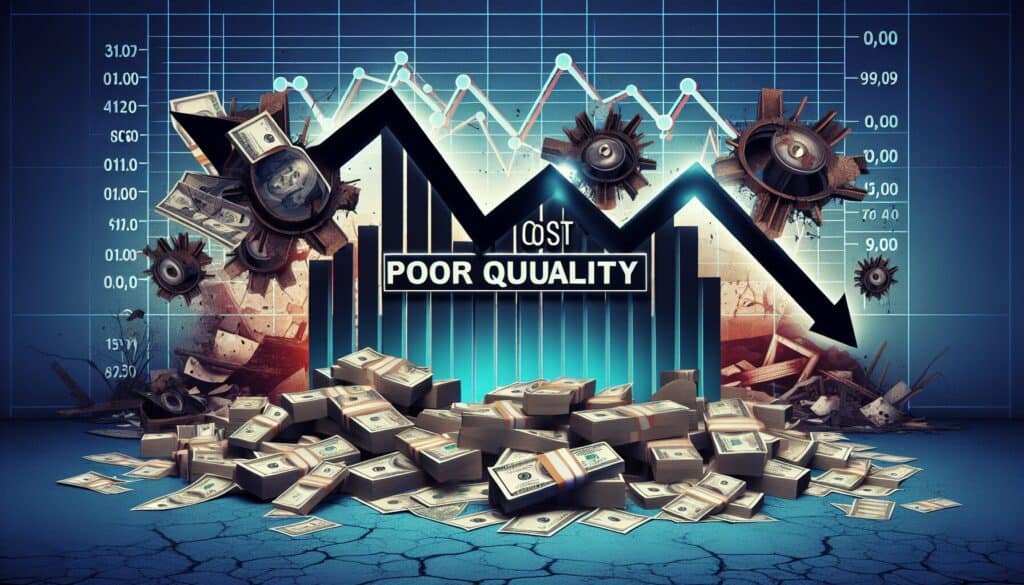
제품이나 공정상의 결함, 오류 및 실패로 인한 재정적 영향을 정량화하기 위해.
사용 방법:
품질 미달과 관련된 모든 비용을 측정합니다. 여기에는 내부 실패 비용(예: 불량품, 재작업), 외부 실패 비용(예: 보증 청구, 반품), 평가 비용(예: 검사, 테스트) 및 예방 비용(예: 품질 계획, 교육)이 포함됩니다.
장점
품질 개선 활동의 재정적 이점을 강조하고, 개선 프로젝트의 우선순위를 정하는 데 도움을 주며, 경영진과 품질 문제를 논의할 때 공통된 언어를 제공하고, 상당한 비용 절감으로 이어질 수 있습니다.
단점
모든 관련 비용, 특히 무형 비용(예: 고객 신뢰도 손실)을 정확하게 측정하는 것은 어려울 수 있습니다. 데이터 수집이 어려울 수 있으며, 양질의 제품 비용과 균형을 맞추지 않으면 사전 예방적 품질 구축보다는 실패에만 지나치게 집중할 수 있습니다.
카테고리:
경제학, 조작, 품질, 위험 관리
다음과 같은 경우에 가장 적합합니다:
공정 비효율성과 제품 결함으로 인한 재정적 손실을 파악하고 정량화하여 품질 개선 노력을 정당화하고 추진합니다.
Cost of Poor Quality (COPQ) is a method widely utilized across various sectors such as manufacturing, healthcare, software development, and service industries to systematically evaluate the costs associated with subpar quality. This methodology can be particularly effective during the early phases of product development, where teams are engaged in design and prototyping; by quantifying quality-related costs, stakeholders can make informed decisions about design modifications or resource allocation. For instance, in the automotive industry, COPQ can help manufacturers identify and reduce high rework rates or warranty claims, ultimately enhancing product reliability and customer satisfaction. Participants typically include cross-functional teams consisting of quality assurance, engineering, production, and finance professionals who collaborate to gather relevant data and analyze cost components. Implementation may require training personnel on gathering and interpreting quality metrics, thereby promoting a culture of continuous improvement. Organizations benefit financially by not only reducing the costs associated with defects but also improving process efficiency, which can lead to enhanced profitability and market competitiveness. Deploying COPQ in conjunction with other methodologies, such as Six Sigma or Lean, can further strengthen quality improvement initiatives by providing quantifiable data that underscores the financial impacts of quality failures and successes, motivating leadership and driving strategic prioritization in improvement projects.
이 방법론의 주요 단계
품질 저하와 관련된 비용을 내부 실패 비용, 외부 실패 비용, 평가 비용 및 예방 비용으로 식별하고 분류합니다.
과거 데이터와 프로세스 지표를 활용하여 각 비용 범주를 정량화하십시오.
각 비용 항목에 영향을 미치는 품질 문제의 근본 원인을 분석합니다.
잠재적인 비용 절감 효과와 영향력을 기준으로 품질 개선 계획의 우선순위를 정하십시오.
파악된 근본 원인을 해결하기 위한 전략을 개발하고 실행합니다.
구현 후 품질 비용 변화를 모니터링하여 효과성을 평가합니다.
지속적인 개선 사항을 반영하여 품질 비용 지표를 지속적으로 검토하고 업데이트합니다.
프로 팁
프로세스 맵핑을 활용하여 COPQ의 각 요소를 시각화하고 정량화하여 비효율이 발생하는 특정 영역을 파악합니다.
식스 시그마와 같은 고급 통계 기법을 도입하여 결함의 근본 원인을 평가하고 잠재적 비용 절감 효과를 기준으로 품질 개선 프로젝트의 우선순위를 정하십시오.
조직 목표에 맞춰 노력을 조정하여 품질 향상 결과를 도출하기 위해 정기적인 COPQ 검토에 여러 부서의 팀을 참여시켜 주인의식과 책임감을 고취합니다.