التحسين المستمر, تحليل وضع الفشل وتأثيراته (FMEA), التصنيع الرشيق, تحسين العمليات, تخطيط العمليات, ضمان الجودة, ضبط الجودة, إدارة الجودة, إدارة المخاطر
الهدف:
نوع من تحليل الوضع والتأثير والتأثير يركز على تحديد وتخفيف أنماط الفشل المحتملة وأسبابها وآثارها المرتبطة بعملية التصنيع أو التجميع.
كيفية استخدامه:
يقوم فريق متعدد الوظائف بتحليل كل خطوة من خطوات العملية لتحديد كيفية فشلها المحتمل في إنتاج المخرجات المقصودة، وعواقب مثل هذه الإخفاقات، وشدتها، واحتمالية حدوثها، وطرق الكشف الحالية، لتحديد أولويات الإجراءات وتنفيذها للحد من مخاطر العملية.
الايجابيات
تحديد الأعطال المحتملة في العملية ومعالجتها بشكل استباقي قبل أو أثناء الإنتاج؛ تحسين اتساق العملية والجودة والسلامة؛ تقليل الخردة وإعادة العمل وتعطل الإنتاج؛ المساعدة في تحسين ضوابط العملية.
سلبيات
يمكن أن تكون مفصلة وتستغرق وقتًا طويلاً لإكمال العمليات المعقدة؛ تعتمد الفعالية على الفهم الدقيق للعملية وخبرة الفريق؛ تتطلب تحديثات منتظمة مع تغير العمليات أو تحديد أنماط فشل جديدة.
الفئات:
هندسة, لين سيجما, تصنيع, جودة, إدارة المخاطر
الأفضل لـ:
تحليل وتخفيف المخاطر المرتبطة بعمليات التصنيع أو التجميع أو العمليات التشغيلية الأخرى لضمان إنتاج منتجات مطابقة باستمرار.
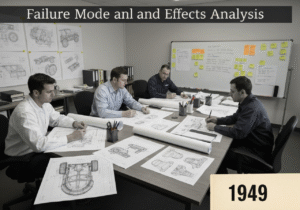
Process Failure Mode and Effects Analysis (PFMEA) is widely utilized across various industries, including automotive, aerospace, medical devices, and electronics, where operational processes play a significant role in product quality and safety. This methodology can be particularly beneficial during the design and development phases of a project, where cross-functional teams—including design engineers, manufacturing engineers, quality assurance, and process technicians—collaborate to review each step in a process. They assess potential failure modes by systematically analyzing workflow sequences, tools utilized, and human interactions. In sectors like pharmaceuticals, PFMEA not only identifies failures in production processes but also addresses compliance with stringent regulatory standards. Effective participation from team members with diverse expertise allows for a comprehensive evaluation of each failure mode’s severity, occurrence likelihood, and detectability, leading to informed decision-making regarding risk prioritization and mitigation strategies. The implementation of PFMEA leads to fewer defects and enhances customer satisfaction by ensuring products function as intended upon delivery. In real-world applications, a PFMEA may reveal that a component’s misalignment during assembly could lead to functional failure, prompting a redesign of the assembly fixture or additional training for operators to reduce error rates. Engaging in PFMEA also cultivates a culture of continuous improvement and proactive risk management, as businesses routinely revisit and refine their processes in response to evolving operational challenges and advancements in technology.
الخطوات الرئيسية لهذه المنهجية
تحديد خطوات العملية ومخرجاتها المقصودة.
تحديد أنماط الفشل المحتملة لكل خطوة من خطوات العملية.
تقييم تأثيرات كل وضع فشل على مخرجات العملية.
قم بتقييم شدة كل تأثير على مقياس.
تحديد الأسباب المحتملة لكل نمط من أنماط الفشل.
تقدير احتمالية حدوث كل سبب من الأسباب.
تحديد طرق الكشف الحالية وفعاليتها.
احسب رقم أولوية المخاطرة (RPN) لكل وضع فشل.
تحديد أولويات أوضاع الفشل بناءً على قيم RPN.
وضع وتنفيذ خطط عمل للتخفيف من المخاطر ذات الأولوية القصوى.
مراجعة ورصد فعالية الإجراءات المنفذة.
نصائح للمحترفين
- Leverage data analytics and historical failure data to inform risk assessments and continuously refine the PFMEA process based on real-world performance.
- Engage operators and front-line personnel in PFMEA workshops to capture experiential knowledge that might not be documented, enhancing the identification of failure modes.
- Establish a proactive follow-up mechanism after implementing actions, ensuring that risk mitigation strategies are validated through periodic reviews and re-evaluations of the PFMEA.